Comprehensive Gynecomastia Treatment & Male Chest Contouring Services
Gynecomastia is different in every patient. Enlargement may be caused by excess glandular tissue, fat, loose skin, or a combination of these.
Our approach begins with a careful assessment of the cause, severity and composition of the enlarged chest, followed by an individualized treatment plan. Depending on the patient, treatment may include medical management, liposuction, gland excision, skin reduction, or a combination of techniques.
Our goal is not simply to remove tissue, but to achieve a flatter, proportionate and natural-looking male chest, while maintaining appropriate contour, nipple position and symmetry.

What We Offer
Each service is tailored to the individual. A detailed consultation determines which treatment or combination of treatments is most appropriate for your condition.

Gynecomastia Consultation & Diagnosis
A detailed consultation assesses the amount and type of enlargement, glandular tissue, excess fat, skin laxity, nipple position, asymmetry and previous surgery. When appropriate, medical history and investigations are used to identify possible underlying causes.

Non-Surgical & Medical Management
Surgery is not necessary in every patient. Depending on the age, duration and cause of gynecomastia, observation, treatment of an underlying condition or appropriate medical management may be considered.

Liposuction for Gynecomastia
Liposuction removes excess fatty tissue and helps improve the overall contour of the male chest. It is particularly useful when fat is a major component of the enlargement.
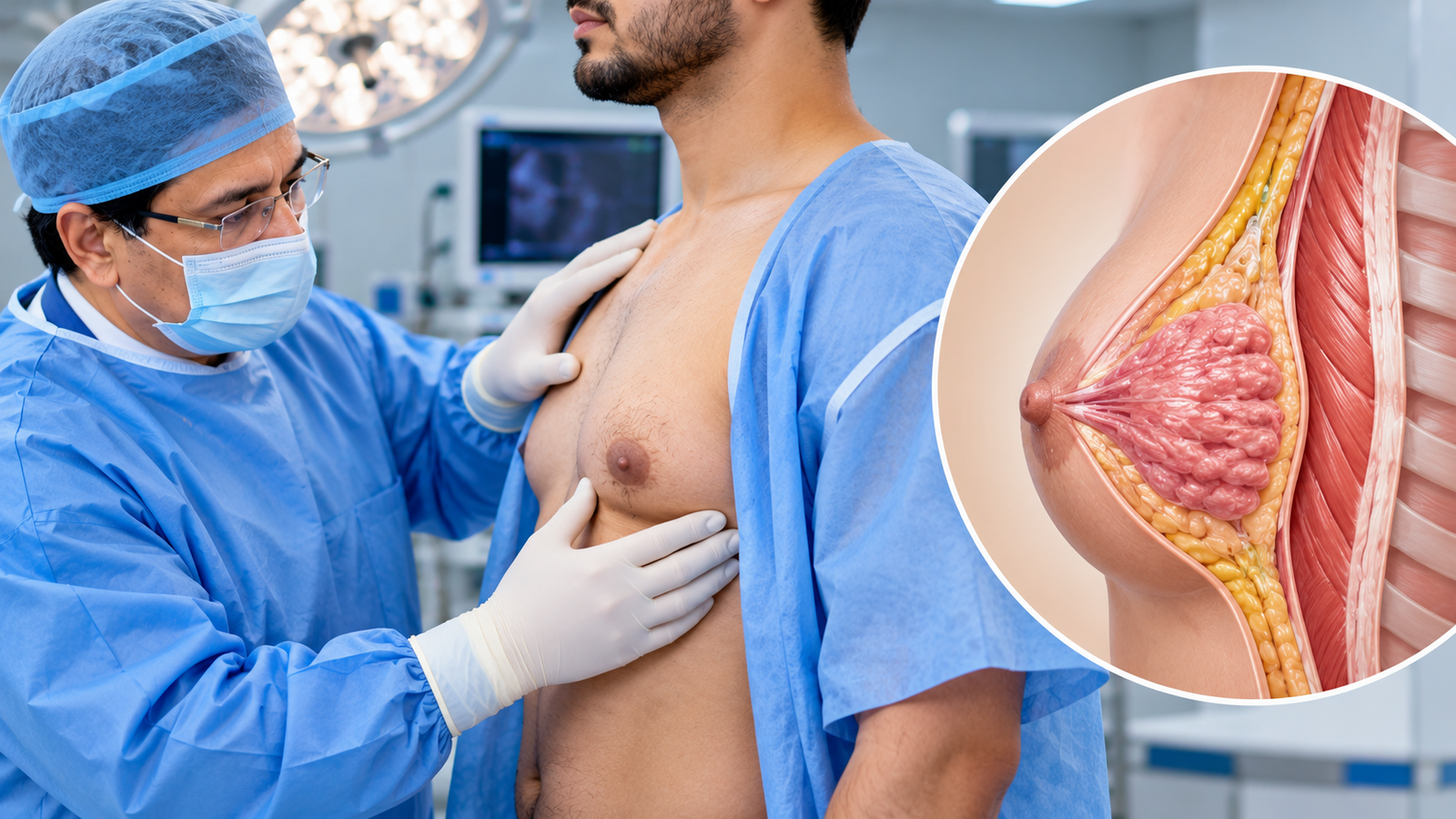
Gland Excision
Firm glandular tissue beneath the nipple may not respond adequately to liposuction. Surgical excision can remove this tissue and reduce persistent breast or nipple projection.
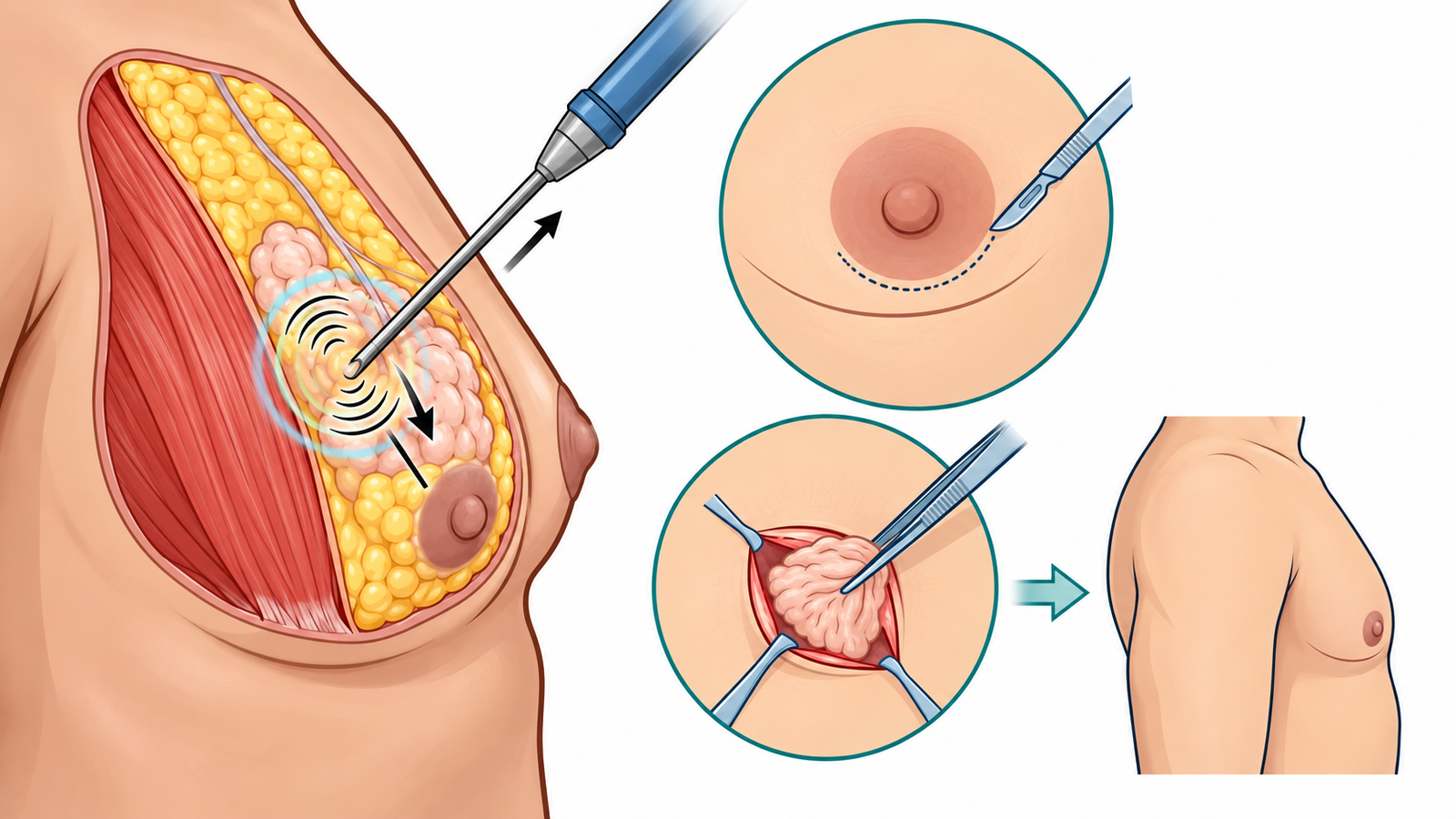
Combined Liposuction + Gland Excision
When both fat and glandular tissue contribute to gynecomastia, combining liposuction with gland excision can address both components and provide more comprehensive chest contouring.
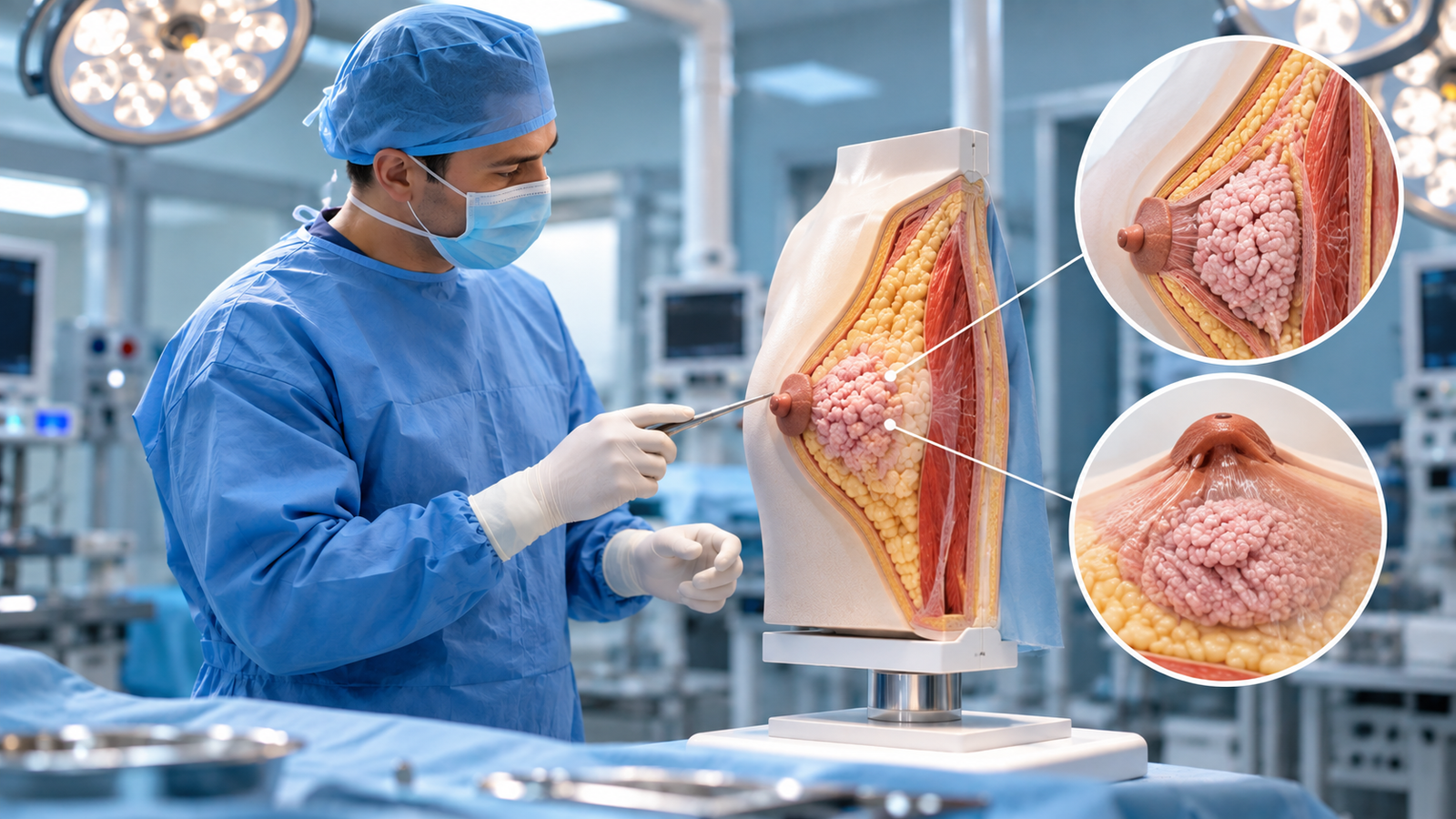
Puffy Nipple Correction
Prominent or "puffy" nipples may result from glandular tissue beneath the nipple-areola complex. Selected patients may benefit from careful glandular correction, with preservation of an appropriate natural contour.
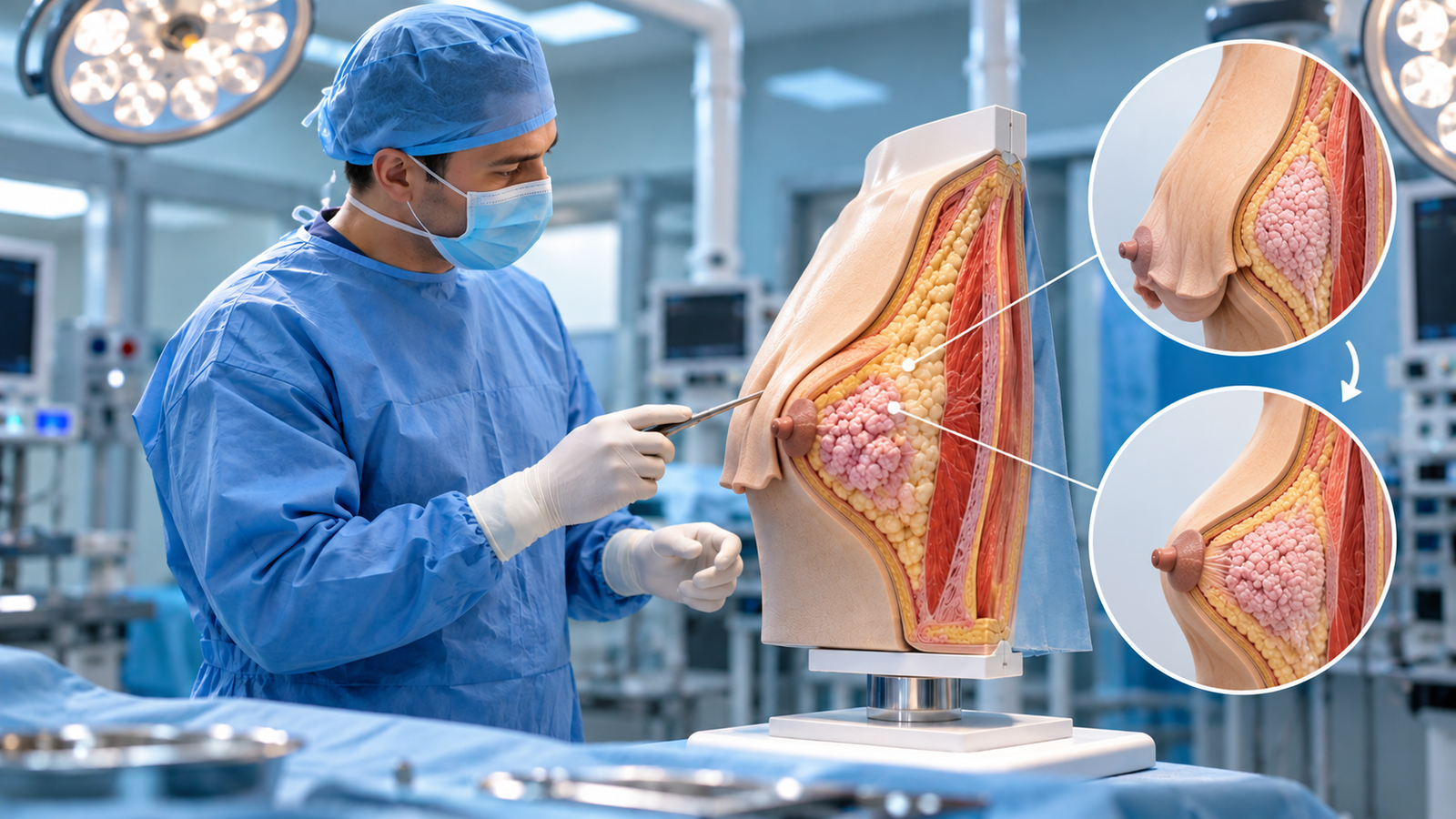
Skin Reduction & Severe Gynecomastia
Patients with severe or longstanding gynecomastia may have significant excess or stretched skin. Treatment may require a combination of liposuction, gland excision and skin reduction, depending on the individual anatomy.
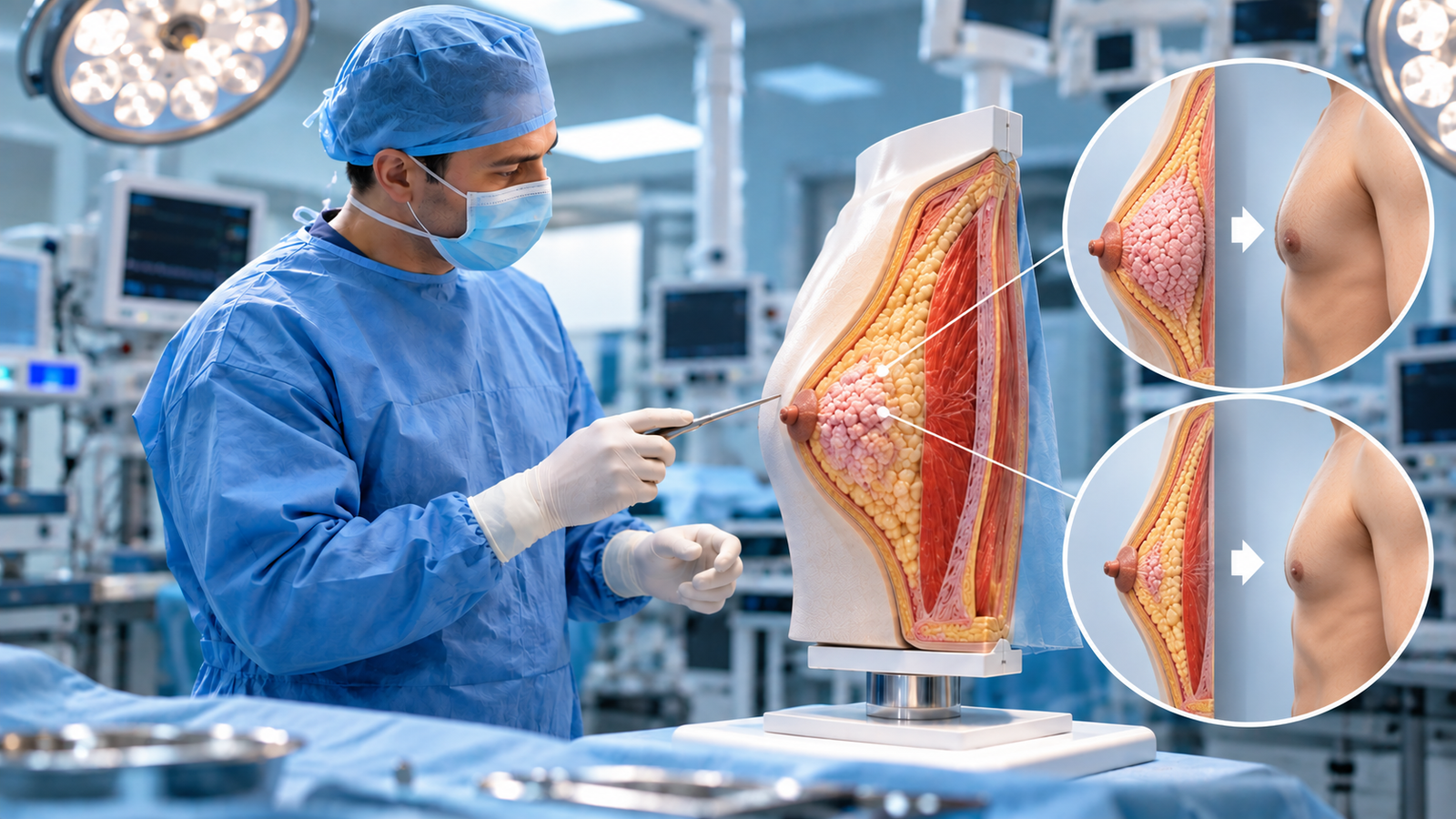
Male Chest Contouring
Gynecomastia treatment involves more than breast-tissue removal. Careful contouring considers the entire chest, including surrounding fat, nipple position, skin and asymmetry, to create a balanced and natural-looking male chest.

Revision Gynecomastia Surgery
Patients who remain concerned after previous gynecomastia surgery may require assessment for residual glandular or fatty tissue, puffy nipples, contour irregularities, asymmetry, scars or other problems. Revision surgery is planned only after careful evaluation.
Which Treatment May Be Right for You?
This is only a general guide. The appropriate treatment is determined only after the individual's examination and assessment.

What Surgery May Involve
Depending on the patient's condition, surgery may involve:
- Liposuction
- Glandular tissue excision
- Combined liposuction and gland excision
- Skin reduction when required
- Chest contouring
- Appropriate anaesthesia and monitoring
The exact procedure is individualized according to the patient's anatomy and treatment plan.
Your Recovery Journey
Recovery varies according to the extent of surgery and individual healing.

Patients receive individualized advice regarding:

Your Treatment Does Not End When Surgery Is Completed
Follow-up allows assessment of:
Patients are advised when to gradually resume normal activities and exercise.
How We Work
Diagnose Before Treating
Understand the cause and composition of the enlarged chest.
Individualize the Procedure
Not every patient needs the same operation.
Treat the Entire Chest
Focus on overall contour, not simply tissue removal.
Preserve Natural Anatomy
Consider appropriate tissue preservation, nipple position and symmetry.
Follow You Through Recovery
Post-operative care and follow-up are an important part of treatment.
Common Questions
Honest answers to questions patients commonly ask about gynecomastia treatment.
No. Treatment depends on the cause, duration and severity of gynecomastia.
It depends on the amount of glandular tissue present. Some patients require gland excision as well.
Any surgical incision can leave a scar. The location and visibility depend on the procedure performed.
Recovery varies with the extent of surgery. Most swelling and bruising improve progressively over the first several weeks, while the final contour develops over subsequent months.
Recurrence is uncommon after appropriate treatment but may occur in some circumstances, particularly if an underlying cause persists or significant weight changes occur.
Ready to Discuss Your Gynecomastia?
Whether you have enlarged male breasts, puffy nipples, chest asymmetry or an unsatisfactory result after previous surgery, a consultation can help determine the cause and the most appropriate treatment.
Understand your condition. Explore your options. Plan your treatment.Important: This website provides general information and is not a substitute for individual medical consultation. The appropriate treatment, risks and expected recovery can only be determined after assessment of the individual patient.