The Complete & Ultimate Gynecomastia FAQ Guide
Honest answers to the questions we hear most often. No medical jargon. Written for patients by Dr. Ashutosh Soni, MS, MCh (Plastic Surgery), Star Hospital, Udaipur.
Understanding Gynecomastia
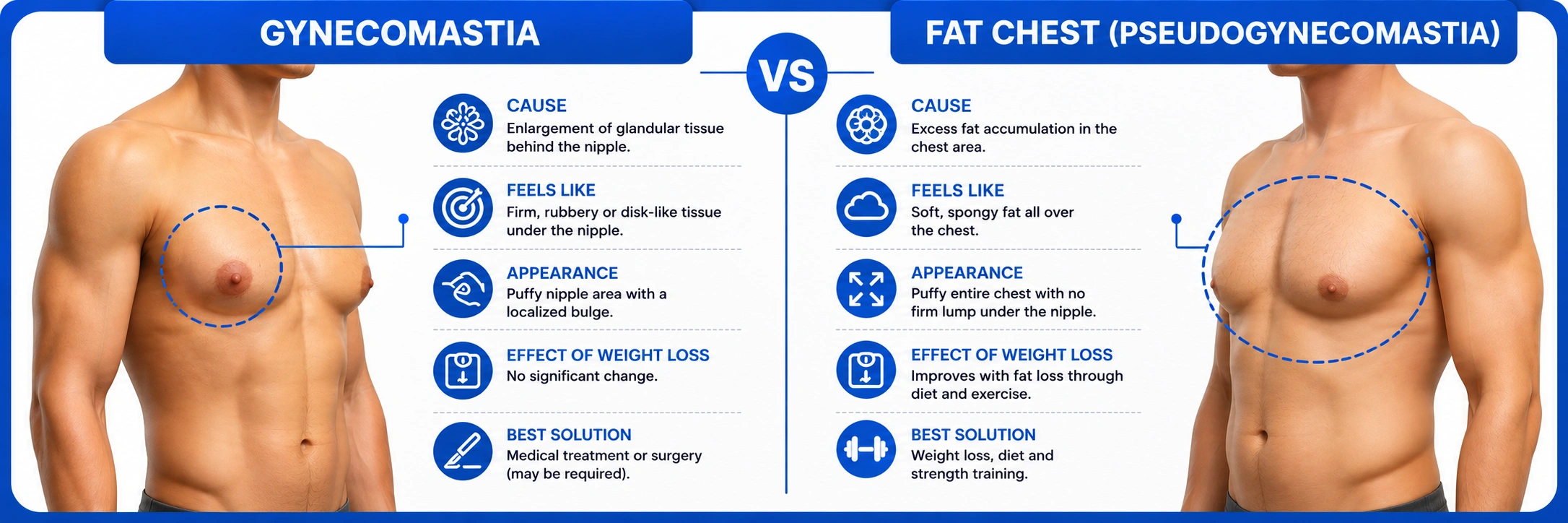
Understanding gynecomastia begins with knowing the difference between glandular tissue and excess fat.
Gynecomastia is the enlargement of male breast tissue caused by an increase in glandular tissue beneath the nipple. It may affect one or both breasts and can occur at any age. Although usually harmless, it may cause discomfort, embarrassment, and reduced self-confidence.
"Man boobs" is a general term for an enlarged male chest. True gynecomastia is caused by enlarged breast gland tissue, whereas "man boobs" may simply be due to excess fat (pseudo gynecomastia). A physical examination helps distinguish between the two because treatment differs.
Gynecomastia is very common. It affects newborns, teenagers, and older men at different stages of life. Studies suggest that up to 60–70% of adolescent boys and nearly half of older men may experience gynecomastia at some point.
Gynecomastia can affect males of any age, including infants, teenagers, adults, bodybuilders, and older men. Hormonal changes, certain medications, obesity, medical conditions, and anabolic steroid use are common contributing factors.
Yes. Gynecomastia may affect one breast (unilateral) or both breasts (bilateral). Even when both sides are involved, one side is often larger than the other. A new or unusual lump should always be evaluated by a doctor.
In most cases, gynecomastia is a benign (non-cancerous) condition and does not pose a serious health risk. However, sudden enlargement, a hard lump, bloody nipple discharge, or persistent pain should be medically evaluated to rule out other conditions.
Yes. Pubertal gynecomastia often resolves naturally within 6 months to 2 years. However, long-standing gynecomastia with established glandular tissue usually does not disappear without treatment. Persistent enlargement should be assessed by a qualified doctor.
Pseudo gynecomastia refers to enlargement of the male chest due to excess fat rather than glandular breast tissue. It is commonly seen in overweight or obese men and may improve with weight loss, unlike true gynecomastia, which often requires surgery.
Yes. Gynecomastia is very common during puberty because of temporary hormonal changes. Most teenage cases improve without treatment. Surgery is usually considered only if the enlargement persists after puberty or causes significant physical or emotional distress.
You should seek medical advice if breast enlargement persists for more than a year, causes pain, rapidly increases in size, affects your confidence, or is associated with a hard lump, nipple discharge, or skin changes. Early evaluation helps identify the cause and determine the most appropriate treatment.
Not every enlarged male chest is true gynecomastia. Distinguishing between glandular enlargement and excess fat is the first and most important step in choosing the correct treatment.
Myth Every enlarged male chest requires surgery.
Fact Many cases—especially during puberty—resolve naturally. Surgery is usually recommended only for persistent glandular enlargement or when symptoms significantly affect quality of life.
Causes & Risk Factors
Gynecomastia develops when there is an imbalance between the hormones estrogen and testosterone. This imbalance causes the breast gland to enlarge. Common causes include puberty, ageing, obesity, medications, anabolic steroids, certain medical conditions, and sometimes the exact cause cannot be identified.
Men normally produce both testosterone and small amounts of estrogen. When estrogen levels become relatively higher or testosterone levels decrease, the breast gland may enlarge. This imbalance may occur naturally during puberty and ageing or because of certain diseases or medications.
Obesity usually causes fat accumulation in the chest, known as pseudogynecomastia. However, excess body fat can also increase estrogen production, which may contribute to true gynecomastia. Many overweight men have a combination of both fat and gland enlargement.
Weight loss can reduce excess chest fat and improve chest appearance in overweight individuals. However, it cannot remove enlarged breast gland tissue. If glandular tissue is present, surgery is often the most effective treatment after achieving a stable body weight.
Yes. Anabolic steroids are one of the most common causes of gynecomastia in young men and bodybuilders. Excess testosterone from steroids can be converted into estrogen, stimulating breast gland growth. In many cases, established gynecomastia does not regress even after stopping steroid use.
Pure whey protein and creatine have not been proven to cause gynecomastia. However, some unregulated bodybuilding supplements may contain hidden hormones or anabolic steroid-like substances that can increase the risk. Always purchase supplements from reputable manufacturers.
Yes. Certain medications may contribute to gynecomastia, including some drugs used for high blood pressure, ulcers, prostate disorders, heart disease, psychiatric conditions, hormonal therapy, chemotherapy, and HIV treatment. Never stop a prescribed medication without consulting your doctor.
Heavy alcohol consumption and the use of recreational drugs such as marijuana, heroin, and amphetamines have been associated with gynecomastia in some individuals. These substances may interfere with hormone production or liver function, increasing the likelihood of breast enlargement.
Most cases of gynecomastia are not directly inherited. However, some families may have a genetic tendency to hormonal imbalance or conditions that increase the risk. Rare genetic disorders, such as Klinefelter syndrome, are also associated with gynecomastia.
Yes. Chronic liver disease, kidney failure, hyperthyroidism, testicular disorders, and certain hormone-producing tumours can alter hormone levels and lead to gynecomastia. When these conditions are suspected, your doctor may recommend blood tests and other investigations before planning treatment.
Identifying the underlying cause of gynecomastia is just as important as treating the enlarged breast. Correcting a hormonal imbalance or stopping a causative medication may prevent further progression and improve long-term outcomes.
Myth Only overweight men develop gynecomastia.
Fact Gynecomastia can occur in slim, athletic, or muscular men as well. While obesity may contribute, hormonal changes, medications, genetics, and anabolic steroids are also common causes.
Avoid self-diagnosing your condition. A thorough consultation with an experienced Plastic Surgeon—and, when necessary, hormonal evaluation—helps identify the true cause and ensures you receive the most appropriate treatment.
Diagnosis & Evaluation
Gynecomastia is usually diagnosed through a detailed medical history and physical examination. Your doctor will assess the size, consistency, and location of the breast tissue, review your medications and medical conditions, and determine whether the enlargement is due to glandular tissue, fat, or both. Additional tests may be recommended if an underlying medical condition is suspected.
True gynecomastia feels like a firm or rubbery disc of tissue beneath the nipple, whereas chest fat is soft and spread more evenly across the chest. Although this distinction provides clues, only a clinical examination—and occasionally imaging—can confirm the diagnosis accurately.
During your consultation, your surgeon will discuss your symptoms, medical history, medications, weight changes, and lifestyle. A careful chest examination will determine the type and severity of gynecomastia. The surgeon will explain treatment options, expected results, possible risks, recovery, and answer all your questions before recommending a personalized treatment plan.
Not every patient requires extensive blood tests. However, routine preoperative investigations are commonly performed before surgery. If hormonal imbalance or another medical condition is suspected, your doctor may also recommend hormone tests, liver and kidney function tests, thyroid function tests, or other investigations.
Most patients do not routinely need imaging. However, an ultrasound or mammogram may be recommended if the diagnosis is uncertain, there is a suspicious lump, persistent pain, nipple discharge, or concern about another breast condition. Imaging helps rule out uncommon but important conditions such as male breast cancer.
Hormone testing is not necessary for every patient. It is generally recommended for young men with rapidly developing gynecomastia, recurrent cases, very large breasts, signs of hormonal imbalance, infertility, or when another endocrine disorder is suspected. Your doctor will decide which tests are appropriate.
Yes, although male breast cancer is rare, some breast lumps may resemble gynecomastia. A hard, irregular lump away from the nipple, bloody nipple discharge, skin dimpling, nipple retraction, or enlarged lymph nodes require prompt medical evaluation. Fortunately, most enlarged male breasts are benign gynecomastia rather than cancer.
Seek medical attention immediately if you notice a rapidly enlarging breast lump, severe pain, bloody nipple discharge, skin ulceration, nipple retraction, unexplained weight loss, or a hard lump that is fixed to surrounding tissues. These symptoms require prompt evaluation to exclude serious underlying conditions.
The Simon Classification is one of the most widely used systems for grading gynecomastia. It classifies the condition into Grades I, IIA, IIB, and III based on breast size and the amount of excess skin. This grading helps surgeons choose the most appropriate surgical technique for each patient.
The Rohrich Classification categorizes gynecomastia according to the amount of fat, glandular tissue, skin excess, and breast ptosis (sagging). While both Simon and Rohrich classifications are useful, your surgeon may use one or both systems to plan surgery and achieve the best possible cosmetic result.
A correct diagnosis is the foundation of successful treatment. Before planning surgery, it is important to identify whether the enlargement is due to fat, glandular tissue, a hormonal disorder, or another medical condition.
Myth Every man with an enlarged chest needs an ultrasound or mammogram.
Fact Most patients are diagnosed through a careful clinical examination. Imaging tests are recommended only when there is uncertainty or suspicion of another breast condition.
Bring any previous medical reports, blood test results, imaging studies, and a list of your medications to your consultation. These details help your surgeon make an accurate diagnosis and recommend the most appropriate treatment plan.
Non-Surgical Treatment
Yes, but only in selected cases. If gynecomastia is recent, caused by puberty, medications, or a hormonal imbalance, treating the underlying cause may help. However, long-standing glandular enlargement usually does not disappear without surgery.
No. Push-ups, bench presses, and other chest exercises strengthen the pectoral muscles but do not remove enlarged breast gland tissue. Exercise can reduce body fat and improve chest shape, but true gynecomastia usually requires surgery for complete correction.
Weight loss is beneficial for overweight individuals and can reduce excess chest fat. However, it cannot eliminate enlarged breast gland tissue. If glandular tissue persists after achieving a healthy weight, surgery may be the most effective treatment.
Certain medications may help in selected patients with recent-onset gynecomastia, especially when caused by hormonal imbalance. However, medicines are generally less effective once firm glandular tissue has developed. Treatment should always be supervised by a qualified doctor.
Hormone therapy may help if gynecomastia is caused by a specific hormonal disorder diagnosed early. It is not routinely recommended for all patients and is unlikely to reverse long-standing gynecomastia where permanent glandular tissue has formed.
Compression garments do not cure gynecomastia, but they can temporarily flatten the chest under clothing and improve confidence. Many men use them before surgery, and compression garments are also routinely worn after surgery to reduce swelling and support healing.
There is no scientific evidence that creams, oils, herbal remedies, or over-the-counter supplements can permanently remove glandular gynecomastia. Be cautious of products claiming to "melt away" breast tissue, as many lack clinical proof and may even contain harmful ingredients.
Surgery is usually recommended when gynecomastia has persisted for more than 12–24 months, causes significant embarrassment or discomfort, does not respond to medical treatment, or consists of permanent glandular tissue. Surgery provides the most reliable and long-lasting correction in these situations.
It can. Persistent hormonal imbalance, continued anabolic steroid use, weight gain, or certain medications may lead to further enlargement. In many men, however, the condition remains stable. Early evaluation helps identify and address any underlying causes before progression occurs.
Gynecomastia itself is usually not harmful, and some men choose observation rather than treatment. However, if it causes emotional distress, social anxiety, pain, or affects your quality of life, discussing treatment options with an experienced Plastic Surgeon is worthwhile.
Once breast gland tissue has been present for a long time, no exercise program, diet, cream, or supplement can reliably remove it. Surgery remains the most predictable treatment for established gynecomastia.
Myth There is a miracle pill or cream that permanently cures gynecomastia.
Fact Despite many advertisements, no cream, massage, herbal medicine, or supplement has been scientifically proven to eliminate established glandular gynecomastia.
Before spending money on unproven treatments, get a proper diagnosis. Knowing whether you have fat, glandular tissue, or both will save time, money, and unnecessary disappointment.
Gynecomastia Surgery

The main surgical options include liposuction, gland excision, or a combination of both. Patients with severe gynecomastia and excess loose skin may also require skin removal. Your surgeon will recommend the most appropriate technique based on the grade of gynecomastia, skin quality, and chest anatomy.
Liposuction alone works well for patients whose enlarged chest is mainly due to excess fat (pseudo gynecomastia). However, true gynecomastia usually contains firm glandular tissue that cannot be removed by liposuction alone and requires gland excision for the best result.
Gland excision is required when there is firm breast tissue beneath the nipple that cannot be removed with liposuction. It is particularly useful in patients with puffy nipples, long-standing gynecomastia, or gland enlargement caused by hormonal changes or anabolic steroids.
Skin removal is usually required in patients with severe gynecomastia, significant skin sagging, or after massive weight loss. Mild and moderate cases often do not need skin excision because the skin naturally contracts after surgery.
Gynecomastia surgery is commonly performed under general anesthesia or local anesthesia with sedation, depending on the extent of surgery and patient preference. Your anesthesiologist and surgeon will recommend the safest and most comfortable option for you.
Most procedures take 1 to 3 hours, depending on the severity of gynecomastia, whether one or both sides are treated, and whether liposuction, gland excision, or skin removal is required.
The procedure itself is painless because anesthesia is used. After surgery, patients usually experience mild to moderate soreness, tightness, or discomfort for a few days. Pain is generally well controlled with prescribed medications and gradually improves.
Most gynecomastia operations are performed as day-care procedures, allowing patients to return home the same day. More extensive procedures involving significant skin removal or patients with certain medical conditions may occasionally require an overnight hospital stay.
All surgery leaves some scar, but gynecomastia scars are usually small and strategically placed around the edge of the areola or in natural skin creases. Over time, most scars fade significantly and become much less noticeable.
Yes. If gynecomastia affects both breasts, both sides are almost always treated during the same operation. This provides better symmetry and allows patients to recover from a single procedure.
Yes. If enlarged, stretched, or malpositioned, the nipple and areola can often be reshaped or repositioned during the same operation to improve chest symmetry and achieve a more natural masculine appearance.
Not every patient requires drains. They may be used in larger or more complex procedures to remove excess fluid and reduce the risk of fluid collection (seroma). If used, drains are usually removed within a few days.
Yes. When performed by an experienced Plastic and Reconstructive Surgeon in a properly equipped hospital, gynecomastia surgery has an excellent safety record. Careful patient selection, modern anesthesia, and proper postoperative care help minimize risks.
Although uncommon, possible complications include bleeding, infection, swelling, bruising, fluid collection (seroma), temporary numbness, asymmetry, contour irregularities, delayed wound healing, scarring, or the need for revision surgery. Following your surgeon's instructions helps reduce these risks.
Gynecomastia surgery has a very high success rate and excellent patient satisfaction when performed by an experienced Plastic Surgeon. Most patients achieve a flatter, firmer, and more masculine chest with long-lasting results, provided they maintain a healthy lifestyle and avoid anabolic steroids.
Successful gynecomastia surgery is not just about removing tissue—it is about creating a natural-looking masculine chest with good symmetry, minimal scarring, and long-term patient satisfaction.
Myth Liposuction alone can treat every case of gynecomastia.
Fact Liposuction removes fat but not firm breast gland tissue. Most patients with true gynecomastia benefit from a combination of liposuction and gland excision for the best cosmetic result.
Ask your surgeon which technique is recommended for your specific grade of gynecomastia and why. Every patient is different, and a personalized surgical plan produces the best results.
Recovery & Aftercare
After surgery, you will be monitored in the recovery room until you are fully awake. Your chest will be covered with dressings, and you will usually wear a compression garment. Mild swelling, tightness, and discomfort are normal. Most patients can return home the same day unless an overnight stay is advised.
Initial recovery usually takes 1–2 weeks, during which most daily activities can be resumed. Swelling continues to improve over several weeks, while the final chest contour develops gradually over 3–6 months. Recovery varies depending on the extent of surgery and individual healing.
Patients with desk jobs can often return to work within 3–7 days, while those with physically demanding occupations may require 2–4 weeks before resuming heavy lifting or strenuous activity. Your surgeon will advise you based on your recovery.
You may usually resume driving once you are comfortable moving your arms freely, are no longer taking strong pain medication, and can safely perform an emergency stop. For many patients, this is about 5–7 days after surgery, depending on individual recovery.
Light walking is encouraged from the day after surgery to improve circulation and reduce the risk of blood clots. Gentle activities can usually begin within a few days, but strenuous exercise should be postponed until your surgeon confirms that healing is adequate.
Most patients can gradually return to gym workouts after 4–6 weeks, depending on healing. Chest exercises such as bench press, push-ups, and heavy weightlifting should only be resumed after receiving clearance from your surgeon.
Most patients are advised to wear a compression garment continuously for 4–6 weeks, although the exact duration varies according to the surgical technique and your surgeon's preference. The garment helps reduce swelling, supports healing, and improves chest contour.
Sleep on your back with your upper body slightly elevated during the first few weeks. This position reduces swelling, improves comfort, and protects the healing chest. Avoid sleeping on your stomach until your surgeon confirms it is safe.
Most patients can shower within a few days after surgery once approved by their surgeon. Avoid soaking in bathtubs, swimming pools, or hot tubs until the wounds have healed completely. Always follow your surgeon's specific wound-care instructions.
Eat a balanced diet rich in protein, fruits, vegetables, whole grains, and adequate fluids. Protein supports tissue repair, while good hydration promotes healing. Limiting excessive alcohol, processed foods, and high-salt meals may also help reduce swelling.
Avoid heavy lifting, vigorous exercise, chest workouts, contact sports, smoking, and activities that place strain on the chest during the early recovery period. Following activity restrictions helps reduce swelling and lowers the risk of complications.
Bruising usually improves within 2–3 weeks, while swelling gradually decreases over several weeks. Mild numbness around the nipples or chest is common and often improves over several months as healing progresses.
Many surgeons use dissolvable stitches that disappear on their own. If non-dissolvable stitches are used, they are usually removed within 7–14 days, depending on the location and your rate of healing.
Although your chest appears flatter immediately after surgery, swelling takes time to settle. Most patients notice significant improvement within 6–8 weeks, while the final contour and scar maturation usually occur over 3–6 months, sometimes longer.
Recurrence is uncommon when the enlarged gland has been completely removed. However, significant weight gain, anabolic steroid use, hormonal disorders, or certain medications may lead to new breast enlargement. Maintaining a healthy lifestyle helps preserve long-term results.
Recovery is just as important as the operation itself. Wearing your compression garment, attending follow-up visits, and following your surgeon's advice all contribute to the best possible long-term outcome.
Myth If I feel well after a few days, I can return to the gym immediately.
Fact Although you may feel comfortable, your internal tissues are still healing. Returning to strenuous exercise too early can increase swelling and affect your final result.
Plan your recovery before surgery. Arrange time off work, prepare comfortable clothing, keep healthy meals available, and ask a family member or friend to assist you during the first day or two if needed.
Cost, Planning & Medical Tourism

Udaipur — one of India's most beautiful cities and an ideal destination for medical travel and recovery.
The cost of gynecomastia surgery varies depending on the grade of gynecomastia, surgical technique, hospital facilities, anesthesia, and the surgeon's experience. An accurate estimate can only be provided after a clinical examination and personalized treatment plan.
The total cost depends on several factors, including the severity of gynecomastia, whether liposuction, gland excision, or skin removal is required, the type of anesthesia, hospital charges, compression garments, investigations, and postoperative follow-up care and of course the experience and expertise of the operating cosmetic plastic surgeon.
Most insurance companies consider gynecomastia surgery a cosmetic procedure and do not routinely cover it. However, coverage may be considered in selected cases where surgery is medically necessary. Check with your insurance provider regarding your specific policy.
It depends on the individual case. Surgery performed solely to improve appearance is generally considered cosmetic. However, persistent pain, functional problems, or medically confirmed underlying conditions may justify treatment on medical grounds in selected patients.
Choose a qualified Plastic and Reconstructive Surgeon with experience in gynecomastia surgery. Look for proper credentials, before-and-after photographs, patient reviews, hospital facilities, clear communication, and a surgeon who explains both the benefits and limitations of treatment honestly.
Follow your surgeon's instructions carefully. You may be advised to undergo routine investigations, stop smoking, avoid certain medications, fast before surgery if required, arrange transportation home, and wear comfortable loose-fitting clothing on the day of surgery.
Bring your identification documents, previous medical records, investigation reports, list of medications, comfortable front-opening clothing, compression garment if advised, and any insurance or payment documents required by the hospital.
Most outstation patients should plan to stay for 3–7 days, allowing time for consultation, surgery, an early postoperative review, and travel clearance. The exact duration depends on the extent of surgery and your individual recovery.
Yes. India is a popular destination for gynecomastia surgery because of experienced plastic surgeons, modern hospitals, and cost-effective treatment. International patients should arrange an online consultation beforehand and allow sufficient time for surgery, recovery, and follow-up before travelling home.
Travel is usually possible after your surgeon confirms that you are recovering well. During long journeys, wear your compression garment if advised, stay hydrated, walk periodically when possible, and follow all postoperative instructions to ensure a safe recovery.
Good planning leads to a smoother surgical experience. Choosing an experienced surgeon, understanding the complete treatment plan, and allowing adequate recovery time are just as important as the operation itself.
Myth The cheapest gynecomastia surgery is always the best choice.
Fact Cost should never be the only deciding factor. The surgeon's expertise, hospital safety standards, quality of care, and long-term results are far more important than price alone.
Before booking surgery, ask for a written estimate that clearly explains what is included—such as surgeon's fees, anesthesia, hospital charges, compression garments, medications, and follow-up visits—to avoid unexpected expenses.
Lifestyle After Surgery
Yes. Once healing is complete and your surgeon has cleared you for exercise, chest muscle training can improve muscle definition and enhance your surgical results. Building muscle does not cause gynecomastia to return and can help maintain a strong, masculine chest contour.
Yes. Regular exercise helps maintain a healthy weight, improves muscle tone, enhances chest definition, and supports long-term results. Surgery removes excess gland tissue, while exercise helps maintain your new chest shape and overall fitness.
Yes. Surgery does not prevent future weight gain. Significant weight gain can increase fat deposition throughout the body, including the chest. Maintaining a healthy diet and regular exercise helps preserve your surgical results for many years.
Yes. Most patients can safely use good-quality protein supplements as part of a balanced diet. Protein supports wound healing and muscle recovery. However, avoid unregulated supplements containing anabolic steroids or unknown hormonal substances.
Scientific evidence does not show that pure creatine or whey protein causes gynecomastia. The greater concern is contaminated or unregulated bodybuilding supplements that may contain hidden anabolic steroids or hormone-like substances capable of stimulating breast tissue growth.
Smoking and nicotine products should be avoided before and after surgery because they reduce blood supply to healing tissues, increase the risk of infection, delay wound healing, and may lead to poorer scar quality. Stopping smoking significantly improves surgical recovery.
Alcohol should be avoided during the early recovery period because it may interfere with medications, increase dehydration, and delay healing. Once you have recovered and your surgeon approves, moderate alcohol consumption is generally acceptable for most healthy adults.
Maintain a stable body weight, exercise regularly, eat a balanced diet, avoid anabolic steroids, stop smoking, limit excessive alcohol intake, and follow your surgeon's recommendations. Healthy lifestyle habits are the best way to preserve your surgical outcome.
Yes. Continued use of anabolic steroids significantly increases the risk of recurrent gynecomastia by disrupting normal hormone balance. Avoiding anabolic steroids is one of the most important steps in maintaining long-term surgical results.
Maintain a healthy weight, avoid anabolic steroids and recreational drugs, review medications with your doctor if necessary, treat any hormonal disorders promptly, and follow a healthy lifestyle. Although recurrence is uncommon after successful surgery, these measures further reduce the risk.
Gynecomastia surgery creates the foundation for a masculine chest, but your long-term results depend on your lifestyle. Healthy habits are the key to maintaining an excellent outcome.
Myth Once surgery is completed, lifestyle no longer matters.
Fact Regular exercise, good nutrition, weight control, and avoiding anabolic steroids are essential for preserving your results and overall health.
Think of surgery as the beginning of a healthier lifestyle—not the end. Staying active, maintaining your ideal weight, and avoiding hormone-altering substances will help you enjoy your results for years to come.
Special Situations
Yes, but only after careful evaluation. Pubertal gynecomastia often resolves naturally within 1–2 years. Surgery is generally considered when breast enlargement persists after puberty, causes significant emotional distress, or does not improve despite observation. A thorough medical assessment is essential before making a decision.
Yes. Healthy older men can safely undergo gynecomastia surgery after appropriate medical evaluation. Age alone is not a limitation. The decision depends more on your overall health, fitness for anesthesia, and realistic expectations than on your chronological age.
Absolutely. Bodybuilders often seek surgery because enlarged breast glands remain visible despite excellent muscle development. Surgery removes the gland while preserving the pectoral muscles. To maintain results, bodybuilders should avoid anabolic steroids and allow adequate recovery before resuming intense training.
Gynecomastia itself does not usually affect fertility, sexual performance, or masculinity. However, certain hormonal disorders that cause gynecomastia may also affect testosterone levels or fertility. If hormone abnormalities are suspected, your doctor may recommend further evaluation before treatment.
No. Gynecomastia itself is a benign condition and does not usually increase the risk of male breast cancer. However, any hard, irregular lump, bloody nipple discharge, skin ulceration, or nipple retraction should be evaluated promptly to exclude other breast diseases.
Yes. Revision surgery can often improve problems such as residual gland tissue, contour irregularities, crater deformity, asymmetry, scar-related concerns, or recurrent gynecomastia. Revision procedures are usually more complex than primary surgery and should be performed by an experienced Plastic and Reconstructive Surgeon.
Every patient is different. Teenagers, bodybuilders, older adults, and patients requiring revision surgery all benefit from an individualized treatment plan rather than a one-size-fits-all approach.
Myth Gynecomastia surgery is only for young men.
Fact Men of almost any age—from teenagers with persistent gynecomastia to healthy older adults—can be suitable candidates after proper medical evaluation.
If you have had previous gynecomastia surgery and are unhappy with the result, don't lose hope. Many contour irregularities and residual gland problems can be improved with carefully planned revision surgery.
Choosing the Right Surgeon & Final Advice
Ask about your diagnosis, the grade of gynecomastia, recommended surgical technique, expected scars, recovery time, possible risks, costs, follow-up schedule, and realistic results. A good consultation should leave you feeling informed, comfortable, and confident about your treatment plan.
An experienced Plastic and Reconstructive Surgeon understands chest anatomy, body proportions, scar placement, and advanced contouring techniques. Experience helps achieve a natural masculine chest, minimize complications, and manage complex or revision cases safely and effectively.
Most patients achieve a flatter, firmer, and more masculine chest with improved body confidence. While no operation can guarantee perfect symmetry or invisible scars, modern techniques usually provide excellent long-term cosmetic results when combined with realistic expectations and proper postoperative care.
If gynecomastia has been affecting your confidence, clothing choices, sports activities, or quality of life, don't hesitate to seek professional advice. Obtain an accurate diagnosis, understand all available treatment options, choose an experienced Plastic and Reconstructive Surgeon, and make your decision based on facts rather than myths. With proper patient selection and expert care, gynecomastia surgery is a safe and highly rewarding procedure for most patients.
The best surgical outcomes are achieved when an experienced surgeon, a well-informed patient, and realistic expectations come together. Surgery is only one part of the journey—good communication and proper follow-up are equally important.
Myth Gynecomastia is something you simply have to live with forever.
Fact While some cases resolve naturally, persistent gynecomastia can usually be treated successfully. Modern surgical techniques can provide long-lasting improvement with high patient satisfaction.
Choosing the right surgeon is often the single most important decision you will make. Take time to ask questions, review experience and before-and-after results, and ensure you feel comfortable with your surgeon before proceeding.
Still Have Questions?
Every patient is unique, and the best treatment depends on your medical history, body type, severity of gynecomastia, skin quality, and personal goals. A detailed consultation with Dr. Ashutosh Soni will help determine:
- Whether you have true gynecomastia or pseudo gynecomastia
- Your grade of gynecomastia
- The most suitable treatment option
- Whether surgery is necessary
- The expected recovery timeline
- The likely outcome in your individual case
Gynecomastia is one of the most common yet least discussed conditions affecting men.
The good news is that it is usually benign, thoroughly understood, and highly treatable. Whether your condition requires observation, medical management, or surgery, the first step is an accurate diagnosis by an experienced Plastic and Reconstructive Surgeon.
Remember: Every patient's condition is unique. The information in this FAQ guide is intended for education and should not replace a personal consultation. A detailed examination will help determine the exact cause of your gynecomastia and the treatment that is most appropriate for you.

Schedule Your Consultation with Dr. Ashutosh Soni
During your consultation, you will receive a personalized evaluation and clear answers to all your questions.
- Accurate diagnosis and grading of your gynecomastia
- Personalized treatment plan
- Discussion of surgical and non-surgical options
- Expected recovery timeline
- Transparent cost estimate
- Answers to all your questions
Disclaimer: The information provided in this FAQ guide is intended for patient education only and should not replace a personal medical consultation. Every patient is different, and recommendations regarding diagnosis, investigations, surgery, recovery, costs, and outcomes vary according to individual circumstances. A thorough clinical examination by Dr. Ashutosh Soni is essential before any treatment decision is made.